

Combined Heat & Power – The Advantages and Disadvantages
Combined Heat & Power systems work by taking biomass or gas and converting it into electricity. But what are the advantages or disadvantages?
Combined Heat & Power systems work by taking biomass or gas and converting it into electricity. But what are the advantages or disadvantages?

In this guide, we’ll explore how businesses can leverage solar power to enhance efficiency, save money, and even contribute to a greener future.

Sustainability is no longer a buzzword but a necessity. Care homes across the UK are seeking ways to reduce their carbon footprint while ensuring reliable energy sources to support their residents’ needs.

The options for electric generation for businesses are many. From CHP, to solar PV, Biomass, wind and more. How can you best generate energy?

The power of farmers is rapidly becoming a movement as they strive to look after their local communities and their energy needs.
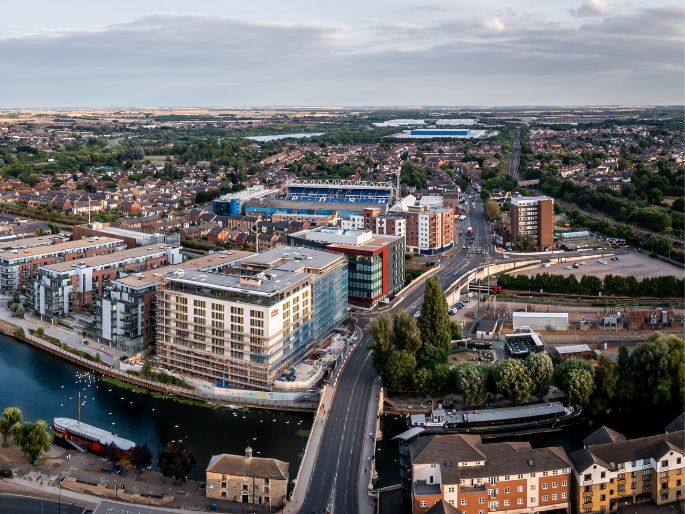
Green landlords are set to receive more favourable mortgage interest rates than those with a low EPC rating. Improve your EPC now!

While the best time to service your commercial heating system is actually during the spring or summer months, it’s vital that it is professionally serviced before the winter.
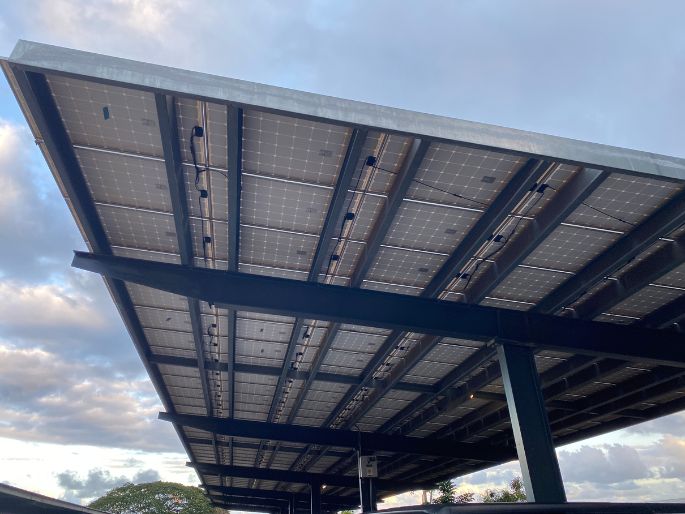
Solar carports can be installed as complete units in their own right, or by installing a roof mounted solar PV system onto an existing roof space.

If you’re running a commercial kitchen in any type of establishment, you are legally required to have your gas appliances tested and serviced annually, as part of the CP42 certification.