
Redworth Hall Hotel: CHP System
project snapshot
Grade II Listed 17th Century Hotel & Spa

the client
Hotel, wedding venue, and conference facility
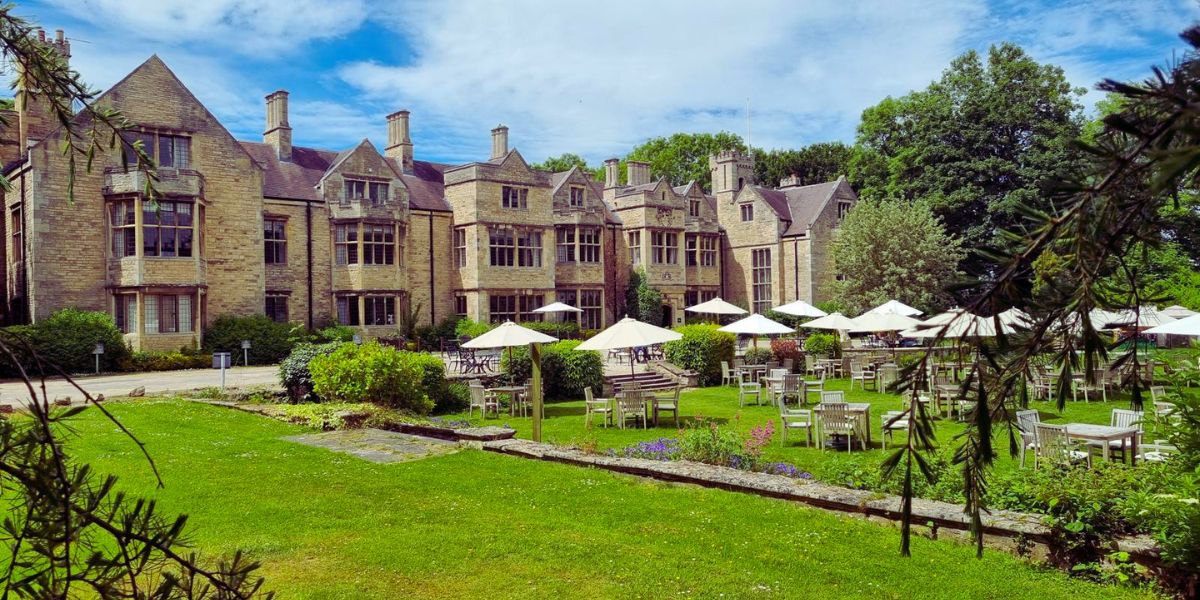
Redworth Hall Hotel & Spa is a Grade II-listed 17th-century mansion house situated northwest of Darlington, operating as a hotel, wedding venue, and conference facility. The main building covers approximately 12,000 sqm across single, two, and three-storey structures surrounding a central courtyard, with 143 guest rooms, a spa, sauna, 225,000-litre heated indoor pool, and extensive leisure and communal areas.
Buildings of this age rarely benefit from modern insulation, and the regulations governing what can and cannot be done to a listed structure are considerable - meaning energy efficiency had to be approached through generation and recovery rather than fabric improvements.
the challenge
Substantial energy costs
The hotel was carrying substantial annual energy costs: significant gas expenditure for heating and hot water, and escalating electricity bills running to over 900MWh of consumption per year. With ageing boilers due for replacement and a desire to reduce the site's carbon footprint, the business looked at whether the replacement of the heating system could also address the electricity challenge.
route to a solution
Designing the infrastructure
The Practical Energy Solutions (PES) team carried out heat loss surveys and thermal imaging across the entire site to establish the right system size and configuration.
The assessment identified Combined Heat and Power as the central solution. A 140kW CHP unit running on natural gas was specified, delivering:
The key principle of CHP is that the heat generated during electricity production - which in a conventional power station would be lost to atmosphere - is captured through heat exchangers and redirected to heat the buildings. This means the electricity generated comes at a fraction of grid supply cost, and the heat is effectively produced at no additional fuel cost.
How the economics work:
To meet the hotel's full hot water and heating requirements, two 240kW biomass boilers fuelled by sustainably sourced wood pellets were installed alongside the CHP unit, running continuously to supplement the CHP's thermal output.
the system
Final installation
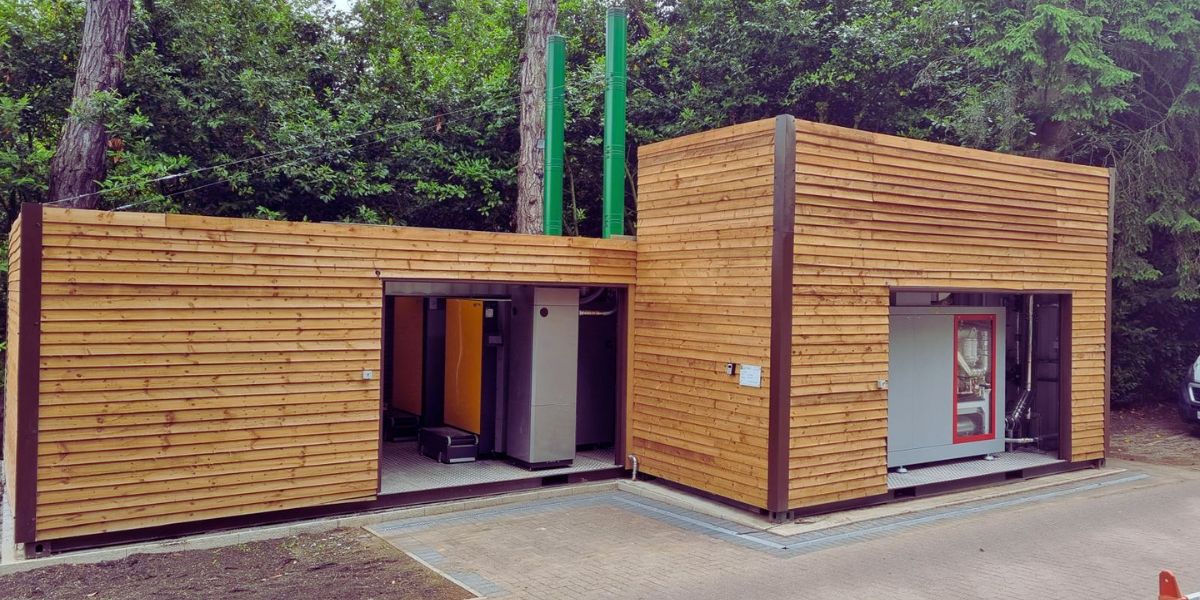
The entire system is housed in a purpose-built, self-contained modular facility comprising three units:
Fuel is delivered to the biomass boilers via an auger feed system, maintaining continuous low-level feeding with minimal manual intervention. Electricity and hot water are distributed to the hotel buildings via underground HV cabling and insulated hot water pipework, with heat exchangers at each delivery point to minimise thermal losses.
Since the original installation, the hotel has also added EV charging stations for guest use - an additional revenue stream and a further step in the site's sustainability journey.






Significant savings
The system locks in a levelised energy cost of 7.6p per kWh for 25+ years, protecting the business against future energy price rises.
site emissions
ECG and wider benefits
The reduction in carbon emissions and shift away from grid electricity support the hotel's sustainability credentials - something increasingly important to both corporate conference clients and leisure guests. The Green Tourism Gold Award recognises the measurable environmental impact of the project and provides the business with a credible, independently verified sustainability credential to promote.
book a consultation
Thinking about CHP for your business?
CHP works best where there is consistent, high demand for both electricity and heat throughout the day and year. Hotels, leisure centres, hospitals, and similar facilities are typically strong candidates.